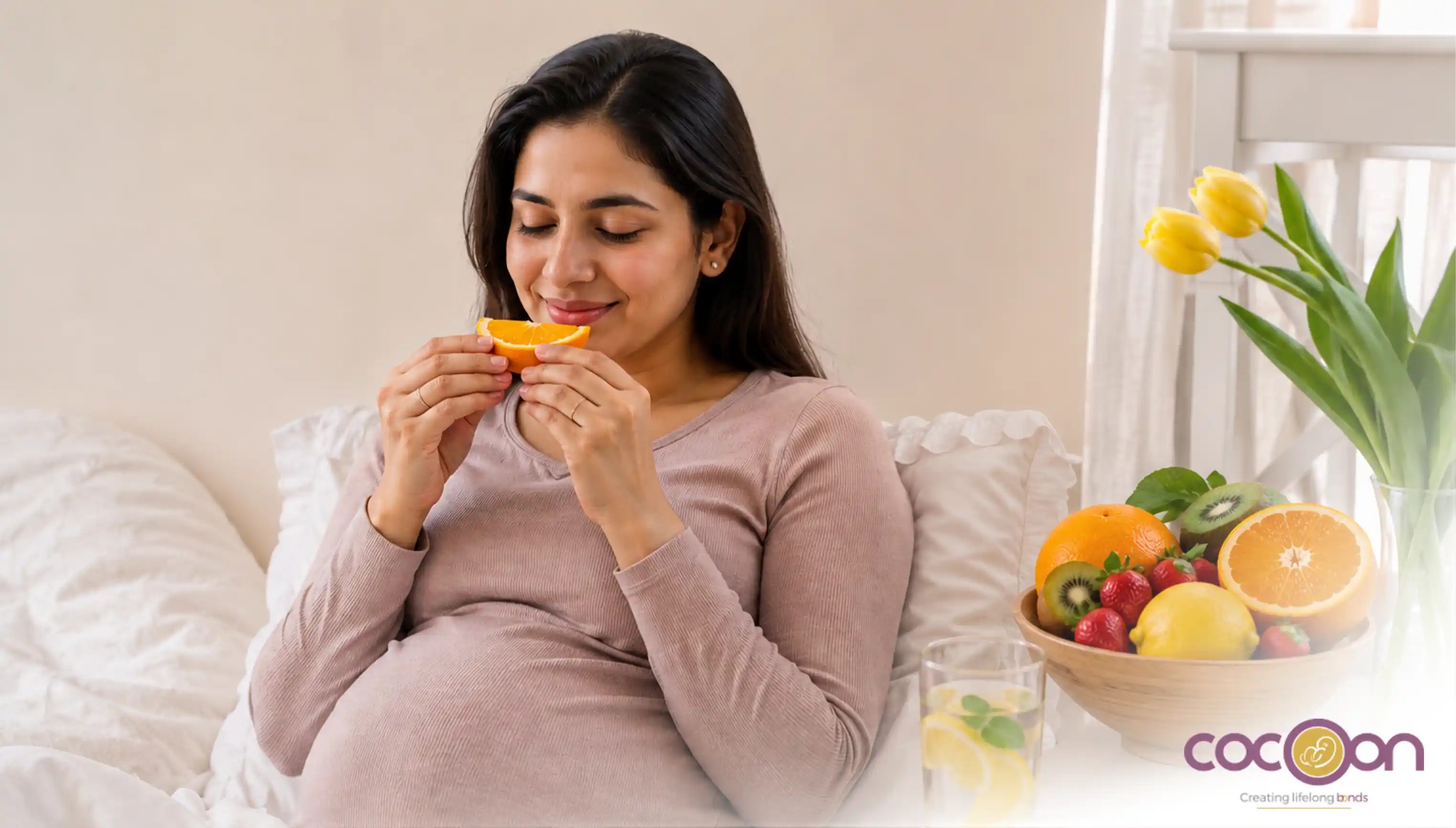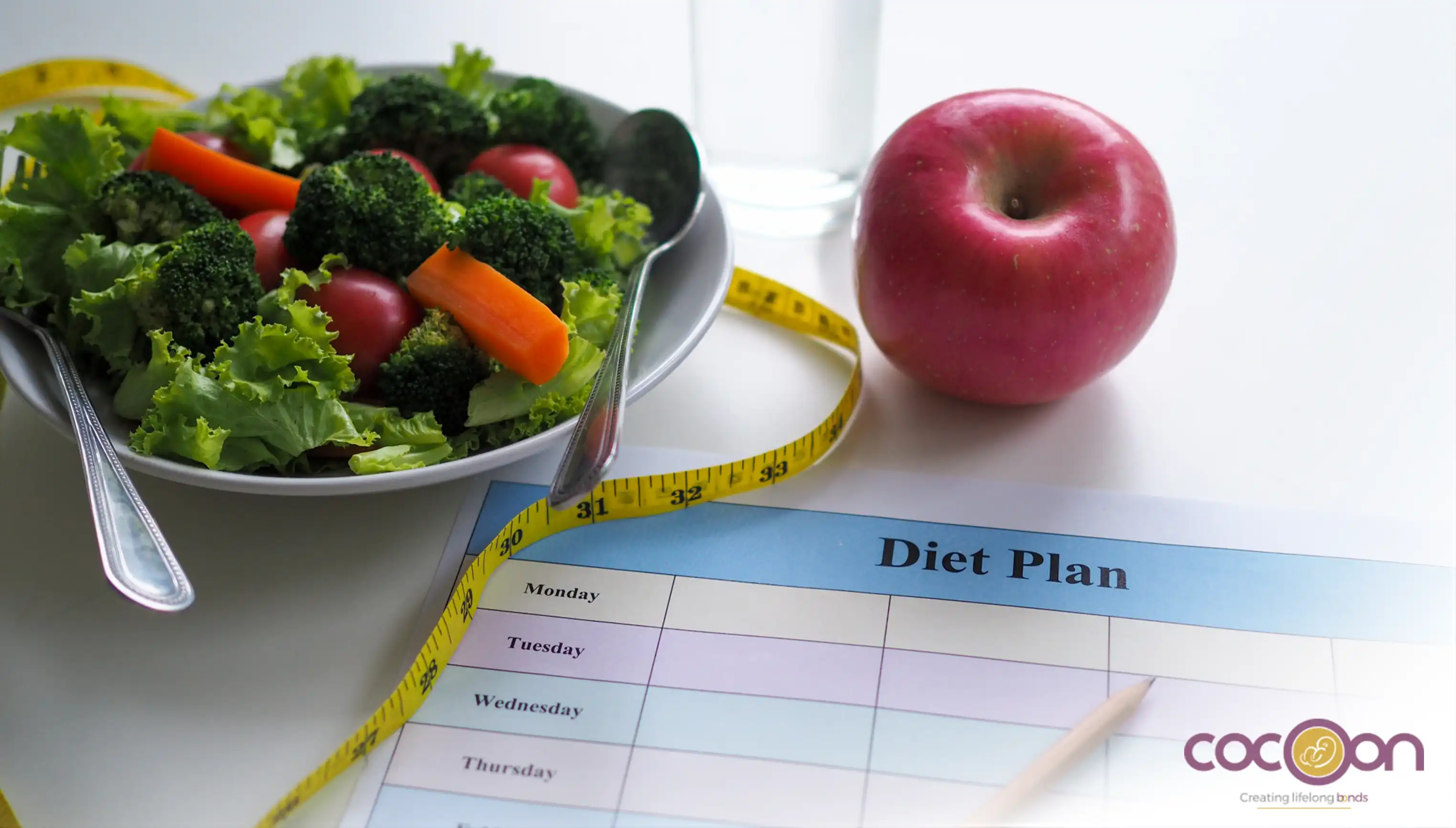
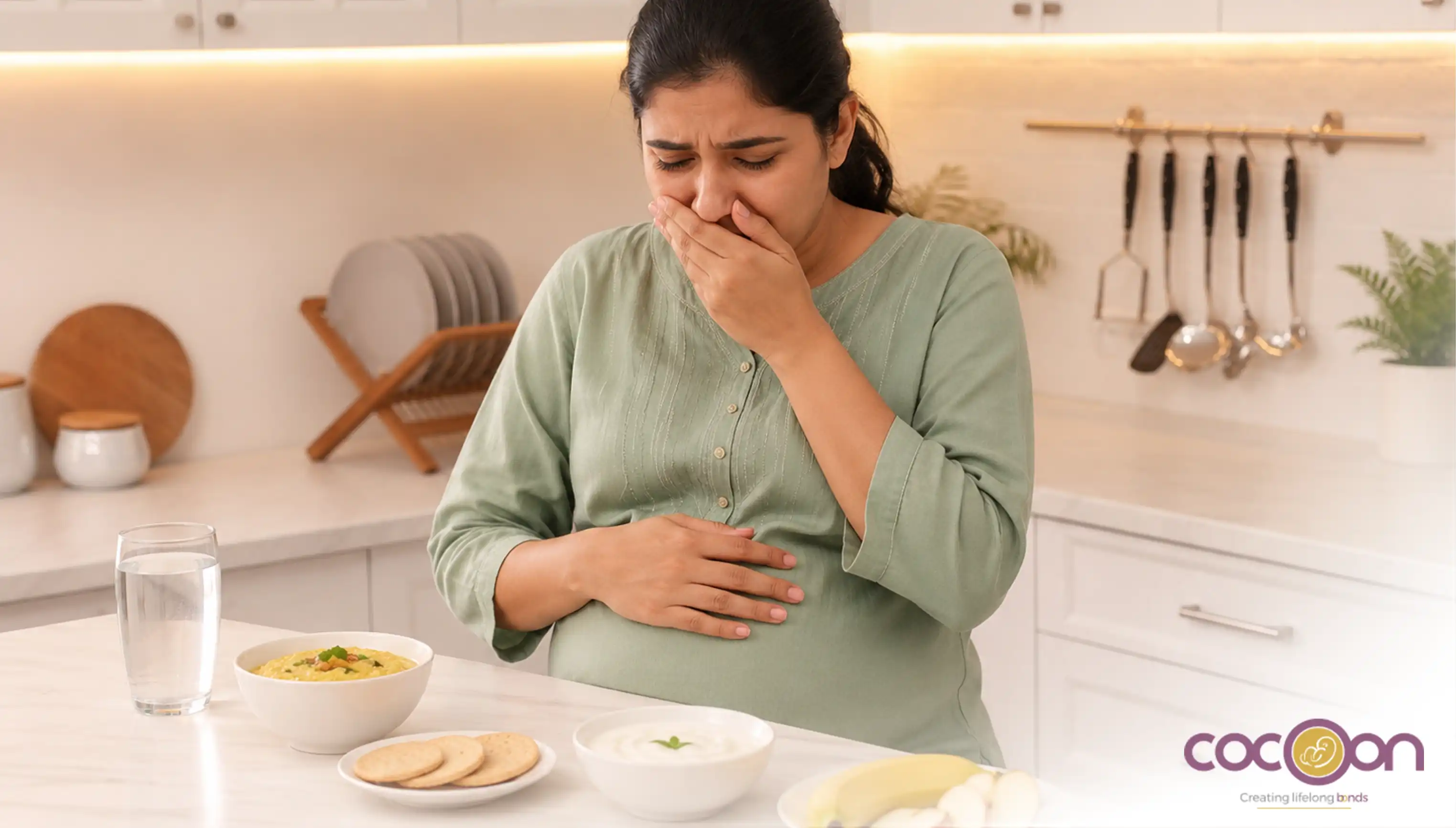
You cannot completely stop morning sickness during pregnancy, however you can often manage it through right pregnancy diet such as:
- Eating small and frequent meals
- Choosing bland yet nutrient-rich foods
- Keeping yourself hydrated
- Including protein-rich snacks
Morning sickness is common (around 70% of women get morning sickness), but constant vomiting, dehydration, or noticeable weight loss needs medical attention.
Read this blog to know:
- What are the best foods for morning sickness
- What to avoid
- What are the expert recommended practical dietary strategies
Read Also: PMOS Diet Chart: Foods to Eat & Avoid for Weight Loss and Hormonal Balance
Overview: Morning Sickness Diet
Here is a quick overview:
| Goal Based | Best Choice for You |
| Calm an empty stomach | Plain crackers, dry toast |
| Good hydration | Water, coconut water, clear soups |
| Adequate protein | Greek yogurt, eggs, nuts |
| Easy-to-digest meals | Rice, bananas, applesauce |
| Lower nausea naturally | Fresh ginger, ginger tea |
| Replace lost nutrients | Fruits, vegetables, smoothies |
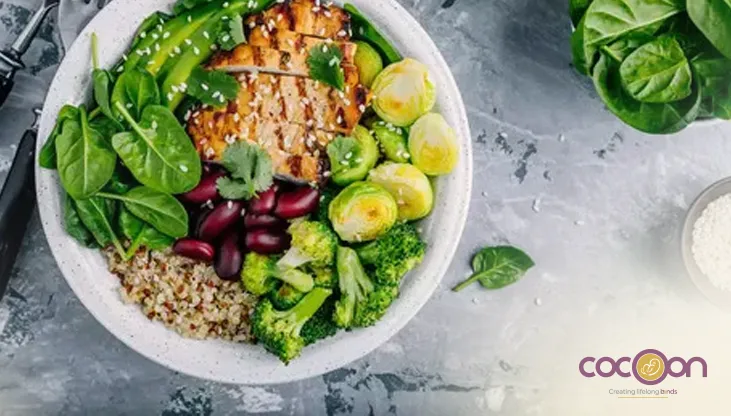
“Eating for Two" is a myth. It doesn't mean doubling your food intake. Instead you need to focus on foods with high nutritional value such as:
- Oats
- Brown rice
- Whole-wheat bread
- Eggs
- Lentils
- Beans
- Fish
- Almonds, and walnuts
- Fresh fruits and vegetables
Foods to avoid are:
- Raw or undercooked meats/seafood
- Unpasteurized dairy
- High-mercury fish such as shark, swordfish, king mackerel, and tilefish
- Alcohol and tobacco
- Excessive caffeine
Read Also: Child Nutrition Guide: Healthy Eating Tips from Toddlers to Teenagers
What Is Morning Sickness?
The term "morning sickness" is used to describe symptoms of nausea and vomiting during pregnancy. Additionally, some women have the symptoms of dizziness and headaches.
Morning sickness often starts 4 to 6 weeks after conception, but the exact timing varies. It may continue until the 4th month of pregnancy. Some women keep experiencing morning sickness during their entire pregnancy, which happens most often for those carrying more than one baby.
Despite its name, the nausea and vomiting of morning sickness can occur at any time of day.
Read Also: Vitamin C in Pregnancy: Benefits, Safe Dosage & Best Food Sources
How to Stop Feeling Sick When Pregnant?
You cannot completely stop or prevent it as it may be caused by following:
- Low blood sugar.
- An increase in pregnancy hormones like human chorionic gonadotropin (HCG) or estrogen.
- Blood pressure fluctuations.
- Changes in metabolism.
These are some of the harmless or necessary changes during pregnancy.
However you can manage pregnancy nausea and vomiting by following a balanced pregnancy diet which help in:
- Preventing long gaps between meals
- Maintaining a stable blood sugar levels
- Providing nutrients despite lowered appetite
- Lowering stomach irritation
- Supporting the healthy development of your baby
What Can I Eat to Calm Morning Sickness?
Changing what you eat may help.
Try these ten foods for morning sickness:
1. Plain Crackers & Dry Toast
They absorb stomach acid and are easy to digest.
Many doctors suggest eating a few crackers before getting out of bed in the morning.
2. Bananas
Bananas are good source of potassium and are soft, bland, and gentle on sensitive stomachs. This may help replace electrolytes lost through vomiting.
3. Rice & Plain Potatoes
Choose:
- Plain white rice
- Boiled potatoes
- Plain pasta
- Oatmeal
These simple carbohydrates digest easily. They offer quick energy when your appetite is low.
Note: Do not add heavy sauces or spicy seasonings.
4. Applesauce
Applesauce is easy to digest. It contains natural carbohydrates giving you the energy without overwhelming your stomach.
5. Greek Yogurt
Greek yogurt is good source of protein and probiotics. They may support digestion and keep you stay fuller for longer.
Note: Avoid strong flavors which can trigger nausea, instead go for plain or lightly sweetened varieties.
6. Eggs
Eggs are an excellent source of high-quality protein. Protein-rich foods help stabilize blood sugar levels hence, often reduce nausea better than sugary snacks.
7. Nuts & Nut Butter
Almonds, peanuts, walnuts, and peanut butter make easy snacks between meals.
Try:
- Apple slices with peanut butter
- Whole-grain crackers with almond butter
- Mixed unsalted nuts
8. Ginger
You can try:
- Fresh ginger tea
- Ginger candies made with real ginger
- Ginger capsules (only if your doctor prescribes)
- Ginger added to warm water
Ginger has been studied extensively for pregnancy nausea, hence commonly suggested by doctors.
9. Water-Rich Fruits
Try
- Watermelon
- Oranges
- Grapes
- Strawberries
- Cucumber
These fruits help improve fluid intake.
10. Smoothies
Are you finding chewing difficult. You can try smoothies as a practical alternative.
A simple pregnancy-friendly smoothies are:
- Greek yogurt
- Banana
- Frozen berries
- Milk
- Oats
Pro tip: Have a snack as often as every 1 to 2 hours during the day. Do not let yourself get too hungry or too full.
Which Foods Can Make Your Morning Sickness Worse
Remember, no two pregnancies are same.
Many women find following foods triggering or worsening nausea.
| Foods to Limit | Why They May Trigger Nausea |
| Fried foods | Slow digestion |
| Spicy meals | Irritate the stomach |
| Greasy fast food | Heavy and difficult to digest |
| Strong-smelling foods | Can trigger nausea |
| Sugary desserts | Blood sugar spikes and crashes |
| Large meals | Increase stomach discomfort |
| Excess caffeine | May worsen nausea and dehydration |
What to Drink to Calm Morning Sickness?
Drinking plenty of fluids, especially water, throughout the day is one of the tips to manage morning sickness.
Seven Good hydration choices are:
- Plain water
- Lemon water
- Coconut water
- Ice chips
- Clear vegetable or chicken broth
- Oral rehydration solutions (if recommended)
- Herbal ginger tea (approved during pregnancy)
How to Eat Well With Morning Sickness?
Sometimes how you eat is as important as what you eat.
Try these seven practical strategies:
- Eat every 2 to 3 hours.
- Avoid letting your stomach completely empty.
- Keep snacks beside your bed.
- Eat slowly with calmness.
- Sit upright after meals.
- Rest between meals rather than immediately afterward.
- Make sure to not laying flat after eating.
Example of Morning Sickness Meal Plan
| Time | Meal |
| Before getting out of bed | 2–3 plain crackers |
| Breakfast | Oatmeal with banana |
| Mid-morning snack | Greek yogurt |
| Lunch | Plain rice, grilled chicken, steamed vegetables |
| Afternoon snack | Apple with peanut butter |
| Evening | Baked potato with scrambled eggs |
| Before bedtime | Whole-grain crackers or toast |
Try any meal plan after your doctor’s recommendation.
What Vitamin Is Best for Morning Sickness?
Some doctor recommend Vitamin B6 (pyridoxine) for mild to moderate pregnancy nausea.
In some cases, doxylamine and pyridoxine combination is used to treat nausea and vomiting in pregnant women (also known as morning sickness).
How to Know When Morning Sickness Is Severe?
Contact your doctor if you experience:
- Vomiting several times every day
- Inability to keep fluids down
- Dark urine
- Dizziness or fainting
- Weight loss
- Rapid heartbeat
- Signs of dehydration
In more severe cases of morning sickness, nausea can last several hours per day and vomiting occurs more than 4 times per day. This is a condition known as hyperemesis gravidarum.
Conclusion
There are no sure methods to avoid morning sickness.
However these tips can help:
- taking a daily vitamin supplement before and during pregnancy
- eating a lot of protein and carbohydrates
- avoiding foods that are high in fat
- avoiding large meals
- drinking plenty of liquids
Remember that every pregnancy is different. Most women with morning sickness feel nauseous for a short time each day and may vomit once or twice. Some may experience symptoms through the beginning of the 2nd trimester (weeks 14 to 27 in pregnancy).
In rare cases, morning sickness persists until the end of your pregnancy. Hence, consult your doctor for the tips that can be best for you.
Also, seek medical advice if your symptoms gets severe, prevent you from eating or drinking, or lead to weight loss or dehydration.
Disclaimer: This blog is for educational purpose only. For accurate information about morning sickness diet during pregnancy only consult your doctor.