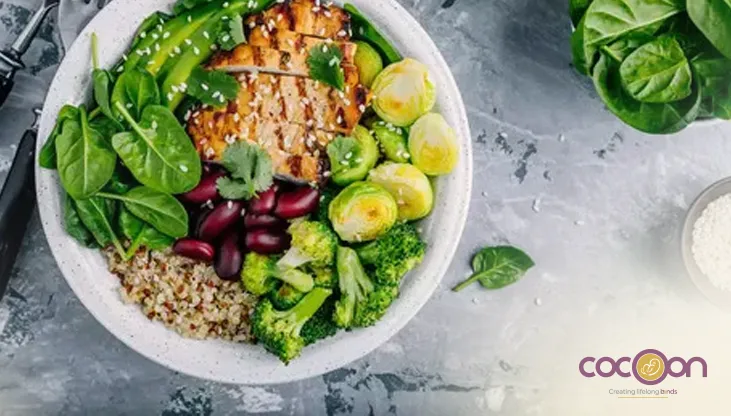
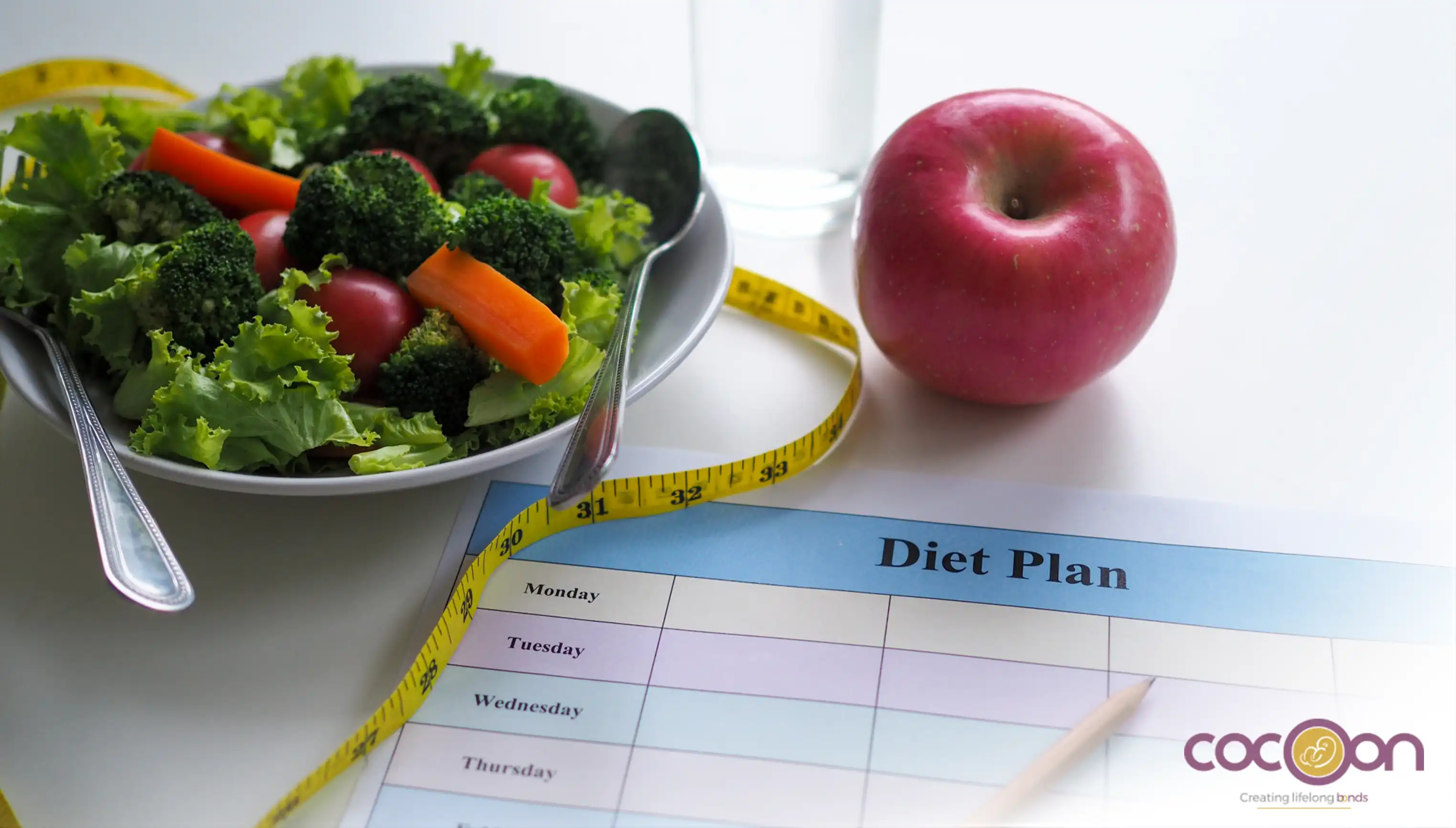
If you've recently been diagnosed with polyendocrine metabolic ovarian syndrome (PMOS), formerly known as PCOS (polycystic ovary syndrome), you probably have many questions such as "What foods are good for PMOS?" Or "What foods should I avoid with PMOS?"
The simple answer is this: there is no single food that can cure PMOS, but eating a balanced diet consisting of high-fiber foods, lean protein, healthy fats, and minimally processed carbohydrates can offer the following benefits, such as:
- improve insulin resistance,
- support hormone balance,
- and help achieve a healthy weight more easily.
Just like what to eat, what not to eat is also important; hence, avoid or limit:
- refined carbohydrates,
- sugary drinks,
- and unhealthy fats like white bread, soda, and fried foods for maximum health benefits.
Read this blog to have detailed information about what to eat and avoid to manage PMOS symptoms.
Read Also: Vitamin C in Pregnancy: Benefits, Safe Dosage & Best Food Sources
Why Does a Balanced Diet Matter in PMOS (Earlier Called PCOS)?
PMOS isn't simply an ovarian condition.
It is a hormonal imbalance that occurs when your ovaries (the organ that produces and releases eggs) create excess hormones.
If ignored, this hormonal and metabolic disorder can gradually affect multiple systems in the body.
Many women with PMOS experience:
- Irregular periods
- Abnormal hair growth
- Acne
- Weight gain, especially around the abdomen
- Darkening of the skin
- Cysts
- Skin tags
- Thinning hair
- Difficulty getting pregnant
- Insulin resistance
Studies have also shown that 35% to 80% of women with PMOS have insulin resistance. That's why eating healthy is one of the most integral parts of managing symptoms.
Insulin resistance happens when cells in your muscles, fat and liver do not properly respond to insulin as they should. This non-responsiveness towards insulin can lead to elevated blood glucose levels (hyperglycemia). Over time, hyperglycemia can lead to prediabetes and type 2 diabetes.
Hence, eating PCOS-friendly foods is important. While diet cannot cure PMOS, it can significantly improve:
- Hormonal balance
- Blood sugar control
- Weight management
- Ovulation
- Energy levels
- Long-term heart health
Read Also: Morning Sickness Diet: Best Foods to Relieve Pregnancy Nausea
What Should a PCOS/PMOS Diet Chart Include?
Do not follow any fad diets or eliminate entire food groups; just focus on eating balanced meals.
Ideal PCOS/PMOS Diet Chart
| Include More | Limit or Avoid |
| Whole grains | White bread |
| Brown rice | Refined flour products |
| Oats | Sugary cereals |
| Lentils & beans | Processed snacks |
| Leafy vegetables | Cakes & pastries |
| Berries | Sugary drinks |
| Greek yogurt | Candy |
| Eggs | Fried foods |
| Fish | Processed meats |
| Nuts & seeds | Excess alcohol |
Remember: The goal of the PCOS diet chart is not perfection but consistency.
What Food Is Best to Eat With PCOS?
The best foods for PMOS are the ones that are whole, high-fibre, and anti-inflammatory in nature, such as fatty fish, leafy greens, and whole grains.
1. High-Fiber Foods
Fiber acts like a traffic controller for your blood sugar level.
How is fibre good for maintaining sugar levels? Instead of allowing glucose to rush into your bloodstream all at once, it slows digestion. This helps insulin work more effectively.
Additionally, fiber intake may also help you feel full for longer. This can make PCOS weight loss more sustainable.
Good choices include:
- Oats
- Brown rice
- Quinoa
- Chickpeas
- Kidney beans
- Black beans
- Chia seeds
- Flaxseeds
- Broccoli
- Brussels sprouts
- Pears
- Raspberries
2. Lean Protein
Protein is your body's building block that your body needs to grow and repair cells and to work properly. Every cell in the human body contains protein.
Many nutrition experts say that eating protein early in the day can help improve satiety and stabilise healthy blood sugar levels.
For most healthy adults, the recommended dietary allowance (RDA) is 0.8 grams of protein per kilogram (0.36 grams per pound) of body weight per day.
Example 1: Person weighing 60 kg
Calculation:
- 60 × 0.8 = 48 grams of protein per day
- So, if you weigh 60 kg, you should aim for about 48 grams of protein daily.
Aim to include protein in every meal.
Healthy options include:
- Eggs
- Chicken
- Turkey
- Fish
- Tofu
- Paneer (in moderation)
- Greek yogurt
- Lentils
3. Healthy Fats
Not all fats are harmful.
For long-term health, some fats are better than others. Good fats are monounsaturated and polyunsaturated fats. Bad ones are industrial-made trans fats. Saturated fats fall somewhere in the middle.
Healthy fats actually support production of hormones and help lower long-term inflammation, which is common in PMOS.
Choose:
- Olive oil
- Avocados
- Almonds
- Walnuts
- Pumpkin seeds
- Flaxseeds
- Salmon
- Sardines
These foods contain omega-3 fatty acids that support heart health.
4. Non-Starchy Vegetables
A food plate high in refined carbohydrates, such as starchy and sugary foods, can make insulin resistance and, therefore, weight loss more difficult to manage.
Therefore, half a portion of your plate should ideally contain vegetables.
Some excellent PCOS foods include:
- Spinach
- Kale
- Lettuce
- Bell peppers
- Tomatoes
- Mushrooms
- Cauliflower
- Broccoli
- Cucumber
- Celery
These are a rich source of vitamins and low in calories and sugar.
5. Whole Fruits
It is a myth that fruit is bad for PCOS.
But fruit isn't the enemy. All you need is to focus on eating whole fresh fruits; they provide essential fiber, vitamins, and antioxidants. Therefore, support hormone balance and insulin health.
Better choices include:
- Blueberries
- Strawberries
- Apples
- Pears
- Citrus fruits
- Kiwi
Avoid fruit juice whenever possible.
Which Foods Should You Avoid in a PMOS Diet?
Following foods can worsen insulin resistance and inflammation, making symptoms difficult to manage.
| Food | Why Limit It? |
| Sugary drinks | Cause rapid blood sugar spikes |
| White bread | Low fiber |
| White rice (large portions) | High glycemic index |
| Cakes & cookies | Refined sugar |
| Potato chips | Highly processed |
| Fried foods | Increase inflammation |
| Processed meats | High saturated fat |
| Excess alcohol | Affects metabolism |
Note: You do not have to completely eliminate them forever. Instead, think of them as "sometimes foods", not everyday staples.
Sample One-Day PMOS Diet Chart
Here is a sample that you can take ideas from. However, always consult a nutritionist for a personalised PCOS diet.
| Meal | Food |
| Breakfast | Greek yogurt with berries and chia seeds |
| Mid-morning | Handful of almonds |
| Lunch | Brown rice, grilled chicken, mixed vegetables |
| Evening Snack | Apple with peanut butter |
| Dinner | Grilled fish or tofu with sautéed vegetables |
| Before Bed | Unsweetened herbal tea |
FAQs
Can diet really help with PCOS weight loss?
Yes
But not because of calorie restriction alone.
Weight gain in PMOS often happens as the hormones and insulin are not working in the proper manner as they should. Hence, focus on diet and strength-training exercise.
Even losing 5–10% of body weight can improve:
- Ovulation
- Menstrual regularity
- Insulin resistance
- Fertility outcomes
Can lifestyle changes improve PMOS along with diet?
Yes.
Healthy diet and exercise are your best friends in your journey to manage PMOS.
Try to:
- Exercise for at least 150 minutes per week
- Include strength training 2–3 times weekly
- Sleep 7–9 hours every night
- Drink adequate water
- Practise yoga, meditation, or walking for stress management
Should I avoid carbohydrates completely?
No.
Carbohydrates are not your enemy. But choose that right form which is whole grain and minimally processed. Avoid refined ones like white rice and white bread.
Choose minimally processed options such as oats, quinoa, brown rice, and whole-grain bread.
Is intermittent fasting good for PMOS?
There is no clear answer yet.
Some women may benefit, while others may experience elevated hunger or unstable blood sugar. Consult your doctor or a registered dietitian before making such major dietary changes.
Conclusion
The exact cause of PMOS is unknown, and there is currently no cure for PMOS as well. However, a healthy diet combined with strength training can improve your symptoms, support hormone balance, lower insulin resistance, and decrease the risk of diabetes and heart conditions.
Imagine your body like a car engine. When you keep filling poor-quality fuel, it struggles to run smoothly. But when you consistently fill it with the right fuel, hormones and metabolism start working in coordination. That's exactly what the right PMOS diet aims to do.
However, if the symptoms are affecting your quality of life, talk to your healthcare provider to receive accurate treatment based on the diagnosis.
Disclaimer: The blog is for informational use only; it is not intended to replace professional guidance. For accurate information about the PMOS diet chart, consult your doctor.